Towns and villages
Torremocha de Jarama
Medieval heritage, agricultural memory and paths along the Jarama valley
Automatically translated from Spanish. Leer original en español
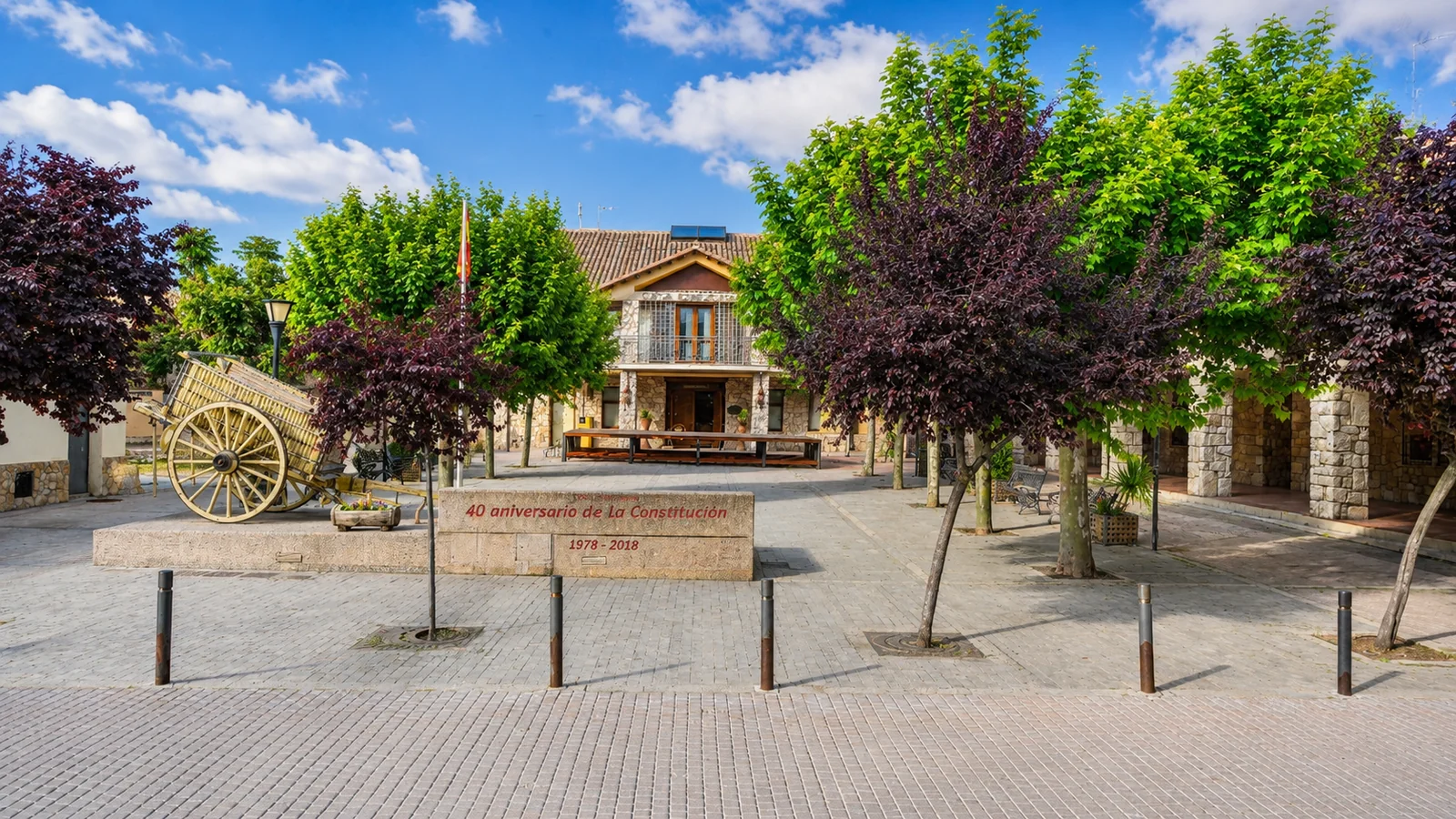
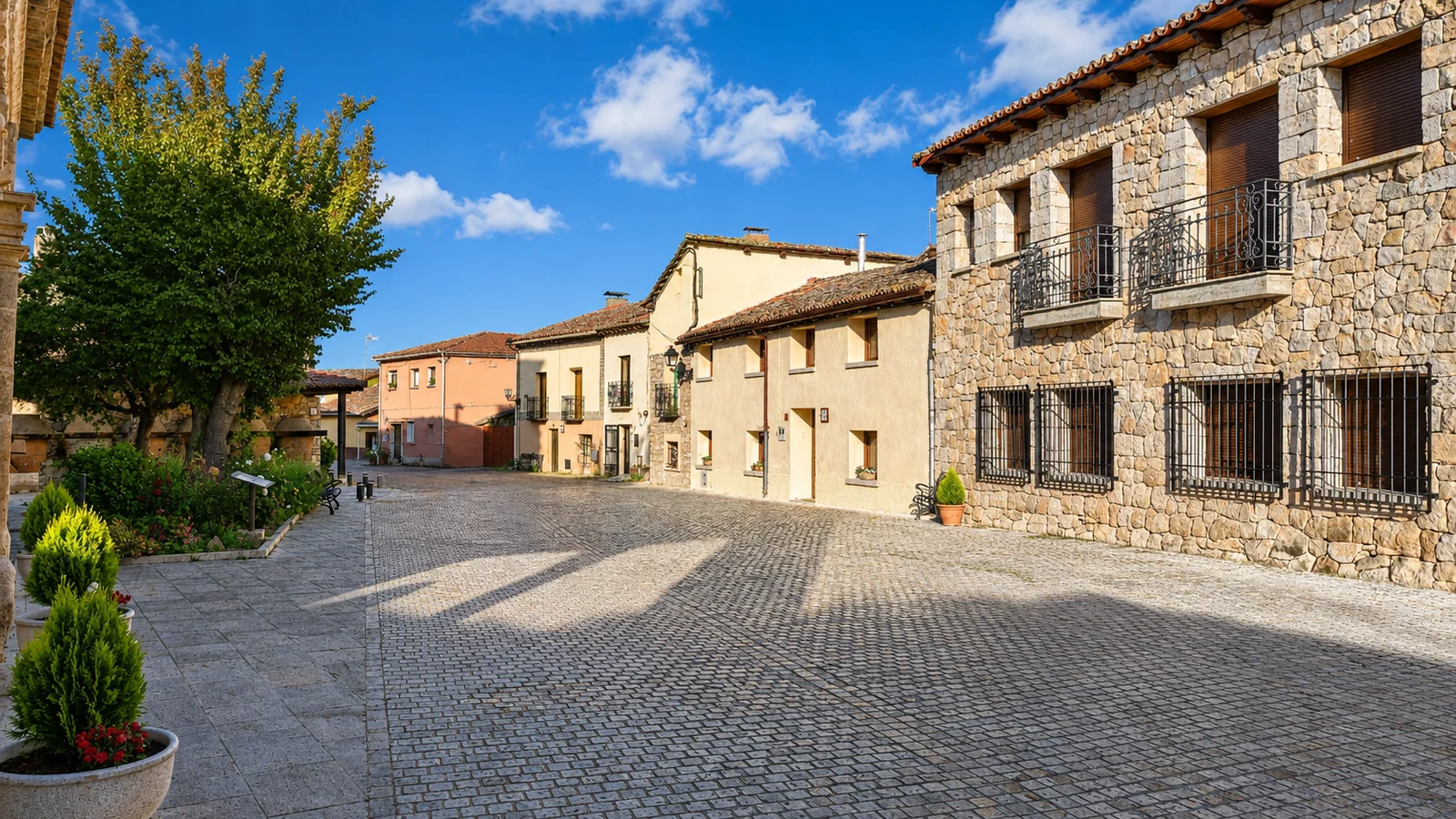
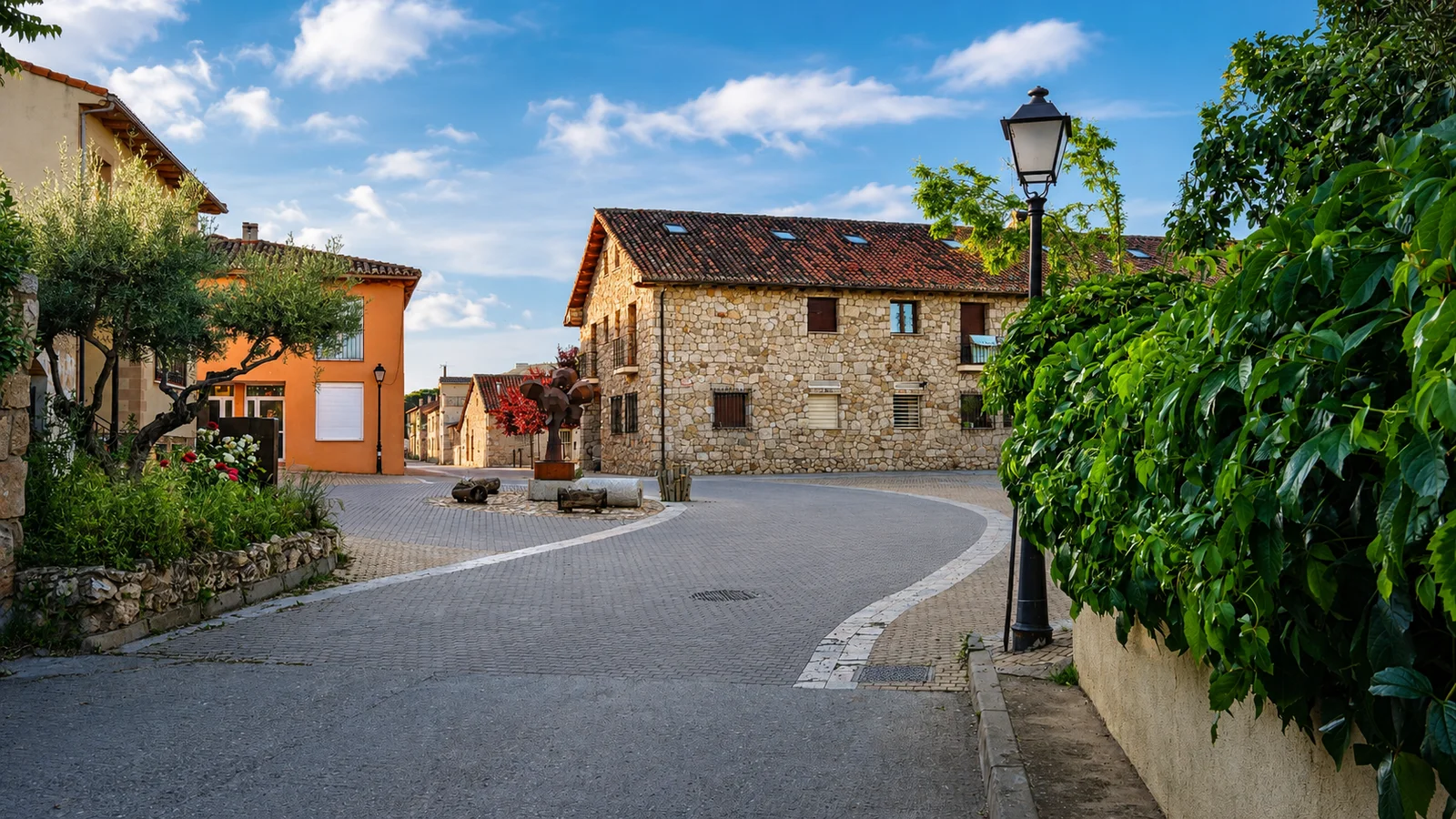
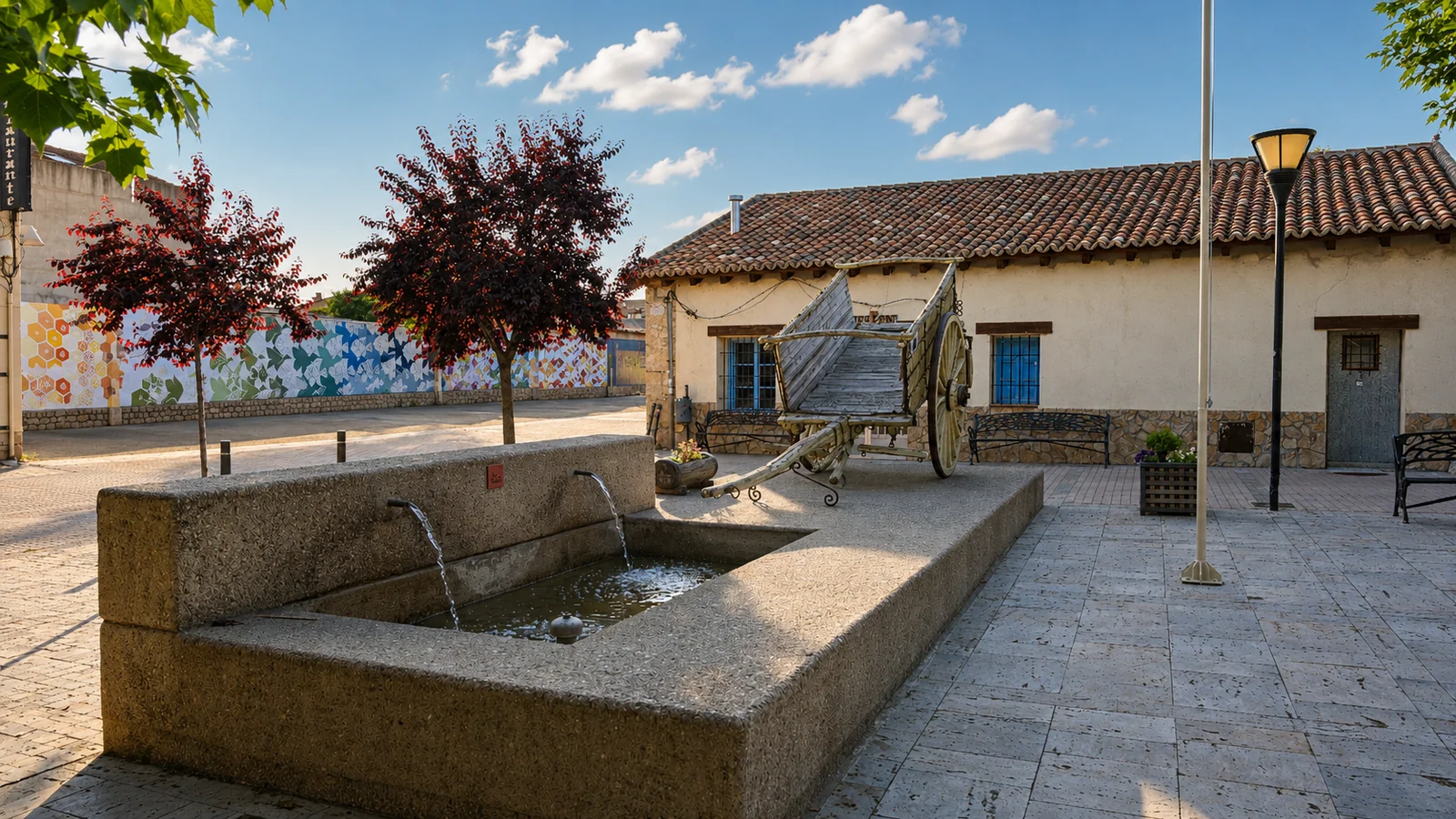
Torremocha de Jarama sits on a terrace overlooking the middle course of the Jarama River, in a landscape of fertile plains, orchards, and dryland fields. Water has shaped both its surroundings and its history: in addition to the river and the San Román stream, there are the traces of the Cabarrús Canal and later water conduits. The town center retains a rural character, with cobbled streets and traditional buildings constructed of stone, mud, and wood.
Following the medieval repopulation, the village grew around a small church and a defensive enclave. The Church of San Pedro Apóstol retains an apse built between the late 12th and early 13th centuries, later expanded. Its designation as a Site of Cultural Interest also recognizes the 15th-century mural paintings, which are linked to the International Gothic style and are exceptional in the Community of Madrid.
Local history is closely linked to agriculture. At the end of the 18th century, the Cabarrús Canal spurred an ambitious irrigation system between the Lozoya and Jarama river basins, of which hydraulic works and the Casa de Oficios (House of Trades) still remain. Today, this legacy can be discovered along the paths of the fertile plain, in the old wine-making facilities, and in the Torrearte Agricultural Museum.
What to see and what to do
The visit can begin at the parish church of St. Peter the Apostle. Its medieval apse, Renaissance porticoed gallery, and 15th-century murals summarize various stages of local religious architecture. It is advisable to check access conditions beforehand.
Afterwards, a stroll through the historic center reveals its cobbled streets and traditional architecture. Plaques affixed to the houses commemorate the women associated with each dwelling, transforming the urban walk into a tribute to the community's history.
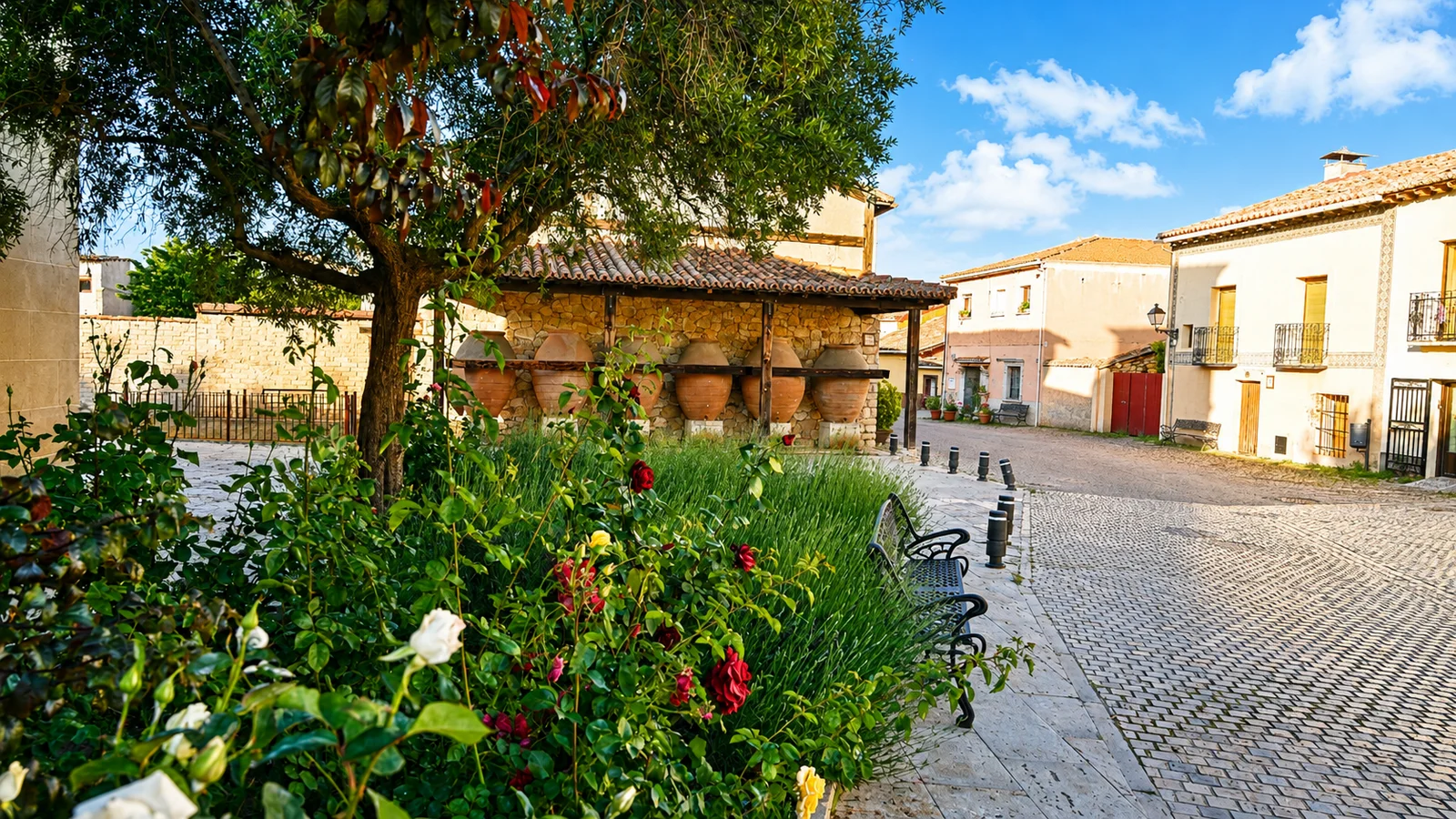
Torrearte houses the tourist office, artisan workshops, and the Agricultural Museum, dedicated to the tools and techniques that explain the region's rural past. Visitors can also explore the restored wine cellars: traditional buildings where wine was made, connected to caves that served as wineries. Before visiting, please check opening hours and conditions directly.
Outside the town center, other landmarks related to water and the land appear, such as the remains of the Cabarrús Canal, the Casa de Oficios (House of Trades), and the area surrounding the old flour mill. Some properties are privately owned and should therefore only be viewed from designated access points.
Plan for a day or a weekend
For a day trip, dedicate the morning to the historic center: visit the area around San Pedro Apóstol, stroll through the traditional squares and streets, and head to Torrearte to explore the Museum of Agriculture, local crafts, and tourist information. Complete your visit with a tour of the restored wine presses.
In the afternoon, choose a short route through the valley, such as the Camino de las Huertas, which connects Torremocha with Patones amidst vineyards, holm oak groves, and land near the Jarama River. If you prefer a longer outing, consider the Cabarrús Canal Route or the San Román Stream Route, and check the route, weather forecast, and trail conditions beforehand.
A weekend trip allows you to set aside a second day to explore the agricultural and hydraulic landscape at a more leisurely pace and combine your visit with nearby towns in the Jarama Valley, such as Patones or Torrelaguna. The actual duration of your visit should be adjusted to the opening hours of the sites you visit and the type of route you choose.
Where to eat
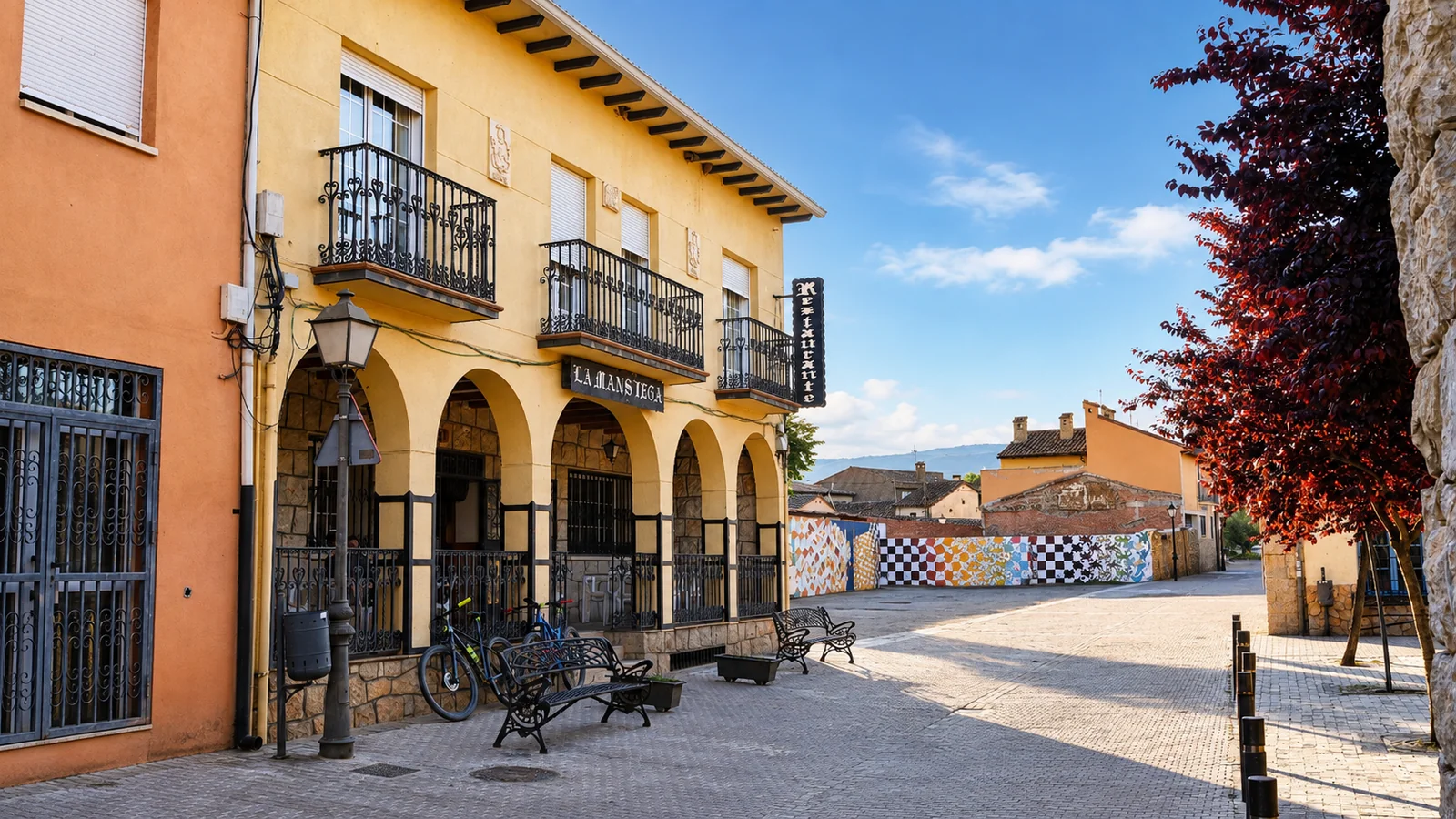
The options compiled by Sierra Norte Madrid include La Mansiega Casa Tere, located on Río Jarama street, which focuses on traditional cuisine, stews, and grilled meats. Check directly with the restaurant for opening hours, menu, reservations, and dietary restrictions before visiting.
Torrearte also has a shop linked to local producers and artisans, a great place to discover local products. Check their website for available items and opening days.
Routes and nature
The landscape of Torremocha combines the Jarama river valley, riparian vegetation, and cereal fields with areas of holm oak groves, scrubland, and slate outcrops towards Patones. The riverside woodland preserves elms, gall oaks, and poplars, offering a glimpse into the river's role in the municipality's agricultural life.
The Town Council proposes four main routes. The Cabarrús Canal Route runs through the cereal-growing countryside and links remnants of the historic hydraulic infrastructure. The Orchard Path connects Torremocha with Patones and approaches the orchards and the Jarama River. The San Román Stream Route ascends towards Patones de Arriba and showcases the change from limestone to slate terrain. The Mining Route crosses scrubland, pine forests, gall oak groves, olive groves, and cereal fields, following areas associated with the former slate extraction.
Before setting out, check the latest local information on the route and trail conditions, bring water and appropriate protection, and check the weather forecast. The official description of the Camino de las Huertas indicates that it is accessible to people with reduced mobility; for any specific needs, please confirm current conditions with the tourist office beforehand.
How to get there and park
From Madrid, the City Council indicates access via the A-1 to exit 50, to continue along the N-320 towards Torrelaguna and then connect with the M-102 towards Torremocha de Jarama.
For public transport, the municipal reference point is the intercity bus line 197, departing from the Plaza de Castilla interchange. Routes and timetables may change, so these should be checked with the Madrid Regional Transport Consortium or the operator before traveling, especially to plan your return.
No reliable official information has been found regarding parking areas. Upon arrival, please respect the signage and avoid blocking access, narrow streets, or property entrances.
Upcoming parties and plans
Where to sleep
The municipal accommodation directory lists several options within Torremocha de Jarama: the Antigua Botica rural house, the Luna Llena Rural Hotel, the Los Diezmos rural accommodations, and La Casona de Torremocha. The options include rooms, apartments, and houses adapted for people with disabilities.
Availability, rates, services, and booking conditions may vary. Please contact each property directly and verify their current information before booking your stay.
Practical information
The tourist office is located in Torrearte, at 3 Torrearte Street. It offers information about the municipality, its cultural resources, and nearby routes. As opening hours may change depending on the season or activities, it's advisable to check them before your visit on the Sierra Norte Madrid tourist office website or through Torrearte's contact channels.
To consult the municipal weather forecast, AEMET identifies Torremocha de Jarama with the code 28153. Before making any trips, check the forecast and adapt the itinerary to the conditions of the day.
Visits to temples, museums, traditional cooking facilities, and other heritage sites may be subject to opening hours, celebrations, or other activities. Please confirm opening times and respect private property and protected elements.